

园长说|面向未来,在北京乐成学校幼儿园,我们关注孩子哪些早期能力
Personalization Learning at ECC


每天清晨,当那些怀揣好奇的小小身影走进北京乐成学校幼儿园(BCIS ECC),我们总会重新思考这样一个问题:在科技飞速发展、人工智能不断拓展认知边界的时代,一个充满无限可能却高度不确定的未来正在到来——什么样的教育,才能为孩子的人生打下真正坚实的基础?
在ECC,我们从不追求一套可复制的“标准答案”。在一个知识随时可得的时代,教育的使命早已不止于培养机械记忆,而应为孩子们带来更具前瞻性、个性化的学习体验。
秉承杜威“教育即生活”的理念,我们相信,真正的学习不仅在于“学到了什么”,更在于让孩子知道“如何学习”。ECC采用国际文凭小学项目(PYP)课程框架,致力于激发孩子的好奇心、独立性与终身学习的能力。我们关注“完整的孩子”,着眼于他们一生都将受益的关键能力和积极态度的培养。
在幼儿园,我们尤其重视“学习方法”(Approaches to Learning, ATL)的发展。这不是一组抽象的技能术语,而是一套贯穿课程与生活、支撑孩子成为独立学习者的底层能力结构——思维、研究、表达、社交与自我管理。每一项能力,都在真实、具体的日常情境中被唤醒。
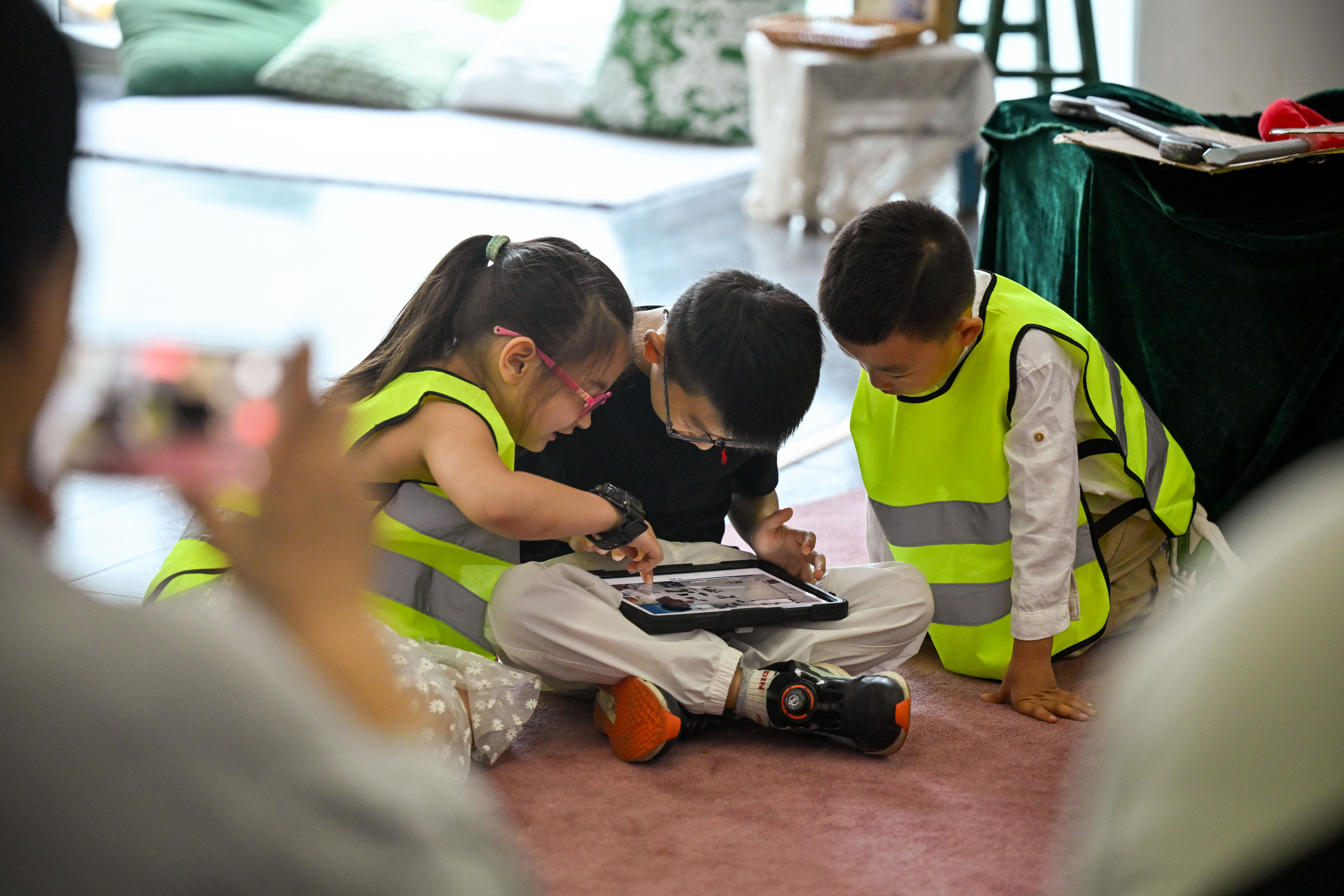
在“玩中学”的日常里,孩子们去观察一片叶子,或用开放性材料搭建一座的桥梁。他们在探索中学会提问、尝试,在失败中不断调整,逐步建立面对未知的信心与解决问题的方法。在自然流动的中英文双语环境中,孩子们学倾听彼此、表达观点、协商分歧,语言能力在真实互动中悄然成长,沟通的信心也在点滴之间积累。
在生活的点滴中——整理玩具、调节情绪、遵守规则、主动帮助他人——孩子们学会了自我管理,发展出责任感。合作与冲突交织,他们学会理解差异、发展共情,在真实互动中,逐渐成长为有同理心的人。
这一切看似平凡的日常,其实正是孩子成长中最真实、最宝贵的学习机会。而我们在“玩中学”的背后,有意识地培养这些非课本技能,不仅帮助孩子掌握知识,更支持他们发展独立思考、批判性分析与灵活应变的能力——这些,正是他们未来立足世界的关键基石。
举个更具体的例子,在我们的小小班里,两岁的孩子们正在阅读最喜爱的绘本《三只小猪》。老师会引导他们思考:“故事里的小猪真的存在吗?你是怎么知道的?”这些看似简单的问题,实则在悄然培养孩子分析信息、进行逻辑推理的初步能力,帮助他们建立对阅读内容的理解与判断。
再来看我们的数学课程。孩子们正在探索数字“15”的多种表示方式:有的孩子说5+10,有的说20-5,还有的尝试用 (4×5)-5 来表达。我们关注的不是他们算对了没有,而是他们如何思考、如何推导、如何表达自己的想法。在课堂上,孩子们不仅向老师讲述自己的思路,也乐于与同伴分享和讨论。通过这种深度交流,他们接触到多种多样的表达方式和逻辑路径,拓展了计算思维,也提升了将思维迁移到其他学习领域的能力。
这种基于探究的学习方式,不再局限于知识的灌输与重复,而在于唤醒孩子主动建构知识的意识。在这个过程中,教师的专业素养和教育眼光尤为关键。他们能够敏锐察觉每个孩子的学习契机与个性特质,不仅是学习的引导者,更是孩子们的学习伙伴。教师与孩子一同反思、一同成长,持续关注他们在思维、探究、沟通等核心能力上的发展轨迹。
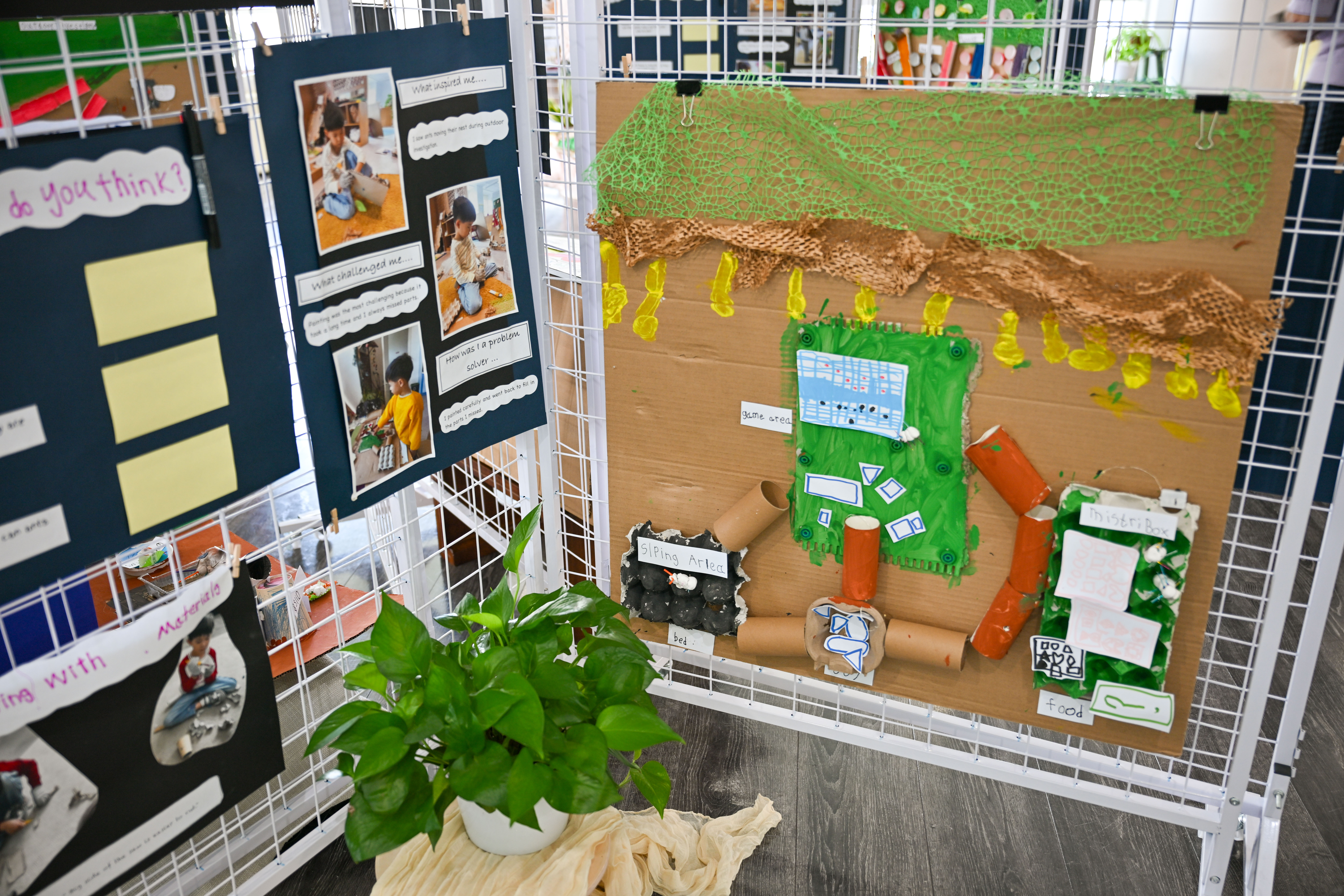
而在ECC,学年末不仅是一个回顾与总结的时刻,更是一场属于大班孩子与家庭的学习庆典。我们鼓励孩子与老师一起筹划学习展览,邀请家人前来参观与倾听。在这个过程中,孩子们会主动挑选一年来的代表性项目,亲自讲述自己的学习过程——他们是如何思考、如何解决问题,又是如何不断进步的。
每次,家长们都会惊喜地发现,孩子不仅能清晰表达自己的学习成果,还能有意识地反思并分享在过程中如何运用了思维、研究、沟通、协作、自我管理等关键能力。他们自信地站在展示台前,不仅展示“学到了什么”,更展现“我是谁”“我是如何学习的”。
我们无法预知未来的模样,但可以肯定的是,在这个不断变化的世界中,真正能够引领孩子穿越未来的,不是短暂的应试能力,而是他们内在的力量——好奇心、判断力,以及面对挑战时依然勇敢前行的韧性与自驱力。
在ECC,我们始终以尊重儿童为起点,融合国际视野与前沿教育理念,陪伴每一个孩子走过那些看似微小却意义深远的成长时刻。我们不急于给出标准答案,而是鼓励孩子提出属于自己的问题;我们关注的,不只是他们学了多少知识,更关心,他们正在成长为何种样子的人。

What is a personalized curriculum, and how can teachers ensure that all children make meaningful progress on their lifelong learning journey?
At BCIS ECC, we measure progress not by what children know, but by how they approach their learning. Memorizing facts and being taught content alone does not prepare our children for the future. In a world increasingly shaped by artificial intelligence — where facts are always at our fingertips via phones or other devices — rote memorization belongs to an education of the past.
At BCIS ECC, we draw inspiration from the renowned educator John Dewey, who said:
If education is truly about life itself, then simply memorizing facts or being taught how to think will not help children navigate the uncertainties of our world — or the unknown future ahead.
A personalized education at BCIS is therefore focused on how children learn to approach their learning. Using the International Baccalaureate Primary Years Program as a guiding framework, we pay attention to how children engage with their learning from the very first day in every grade level.
At BCIS ECC, we help children access facts and knowledge by strengthening the way they learn. We focus carefully on developing:
Thinking skills
Research skills
Communication skills
Self-management skills
Social skills
By supporting children to develop these essential skills, they progress in a way that empowers them to access knowledge independently, form their own ideas, and think critically about what they encounter.
For example, our two-year-old toddlers enjoy reading their favorite story, The Three Little Pigs. We ask them to consider: Are the pigs real? How do they know? These simple questions spark early critical thinking and help children analyze what they are reading.
In our mathematics program, Kindergarten children explore all the different ways to make the number 15. Some talk about addition (5 + 10), others about subtraction (20 - 5), while some create expressions like (4 × 5) - 5. But teachers don’t stop at the answers — they encourage children to explain how they arrived at their solutions. This sharing of thinking exposes children to diverse methods and develops mathematical and computational thinking skills. Such approaches enable children to apply their thinking flexibly across different contexts — something memorization alone cannot achieve. This process also nurtures their communication skills as they explain their reasoning to teachers and peers. Together, children and teachers learn and research their thinking skills, making learning an exciting journey.
The end of the Kindergarten year is a special moment at BCIS ECC — a time to pause, reflect, and celebrate how much children have contributed to our community and how they have grown. Instead of graduating, our children and teachers collaboratively prepare a learning exhibition for families. This event allows children to articulate how they approach learning and showcase projects that represent their growth.
Each year, families are amazed by the sophistication of the children’s language in describing their learning, their intentional application of thinking, research, communication, social, and self-management skills, and their ability to explain how these skills have been applied across different experiences.
At ECC, we start with deep respect for each child, blending a global outlook with progressive educational philosophies to accompany them through the small yet meaningful moments of growth. We do not rush children to memorize “right answers”; instead, we encourage them to ask their own questions.
What truly matters to us is not how much knowledge children accumulate, but the kind of person they are becoming. We firmly believe that what will guide children through an uncertain future is not short-term academic achievement, but agency, the curiosity to think critically, the courage to take action, and the resilience and skills to meet challenges head-on.