

园长说|入园最佳年龄?30年幼教经验园长解析,了解成长的关键起点
Giving Your Child A Head Start


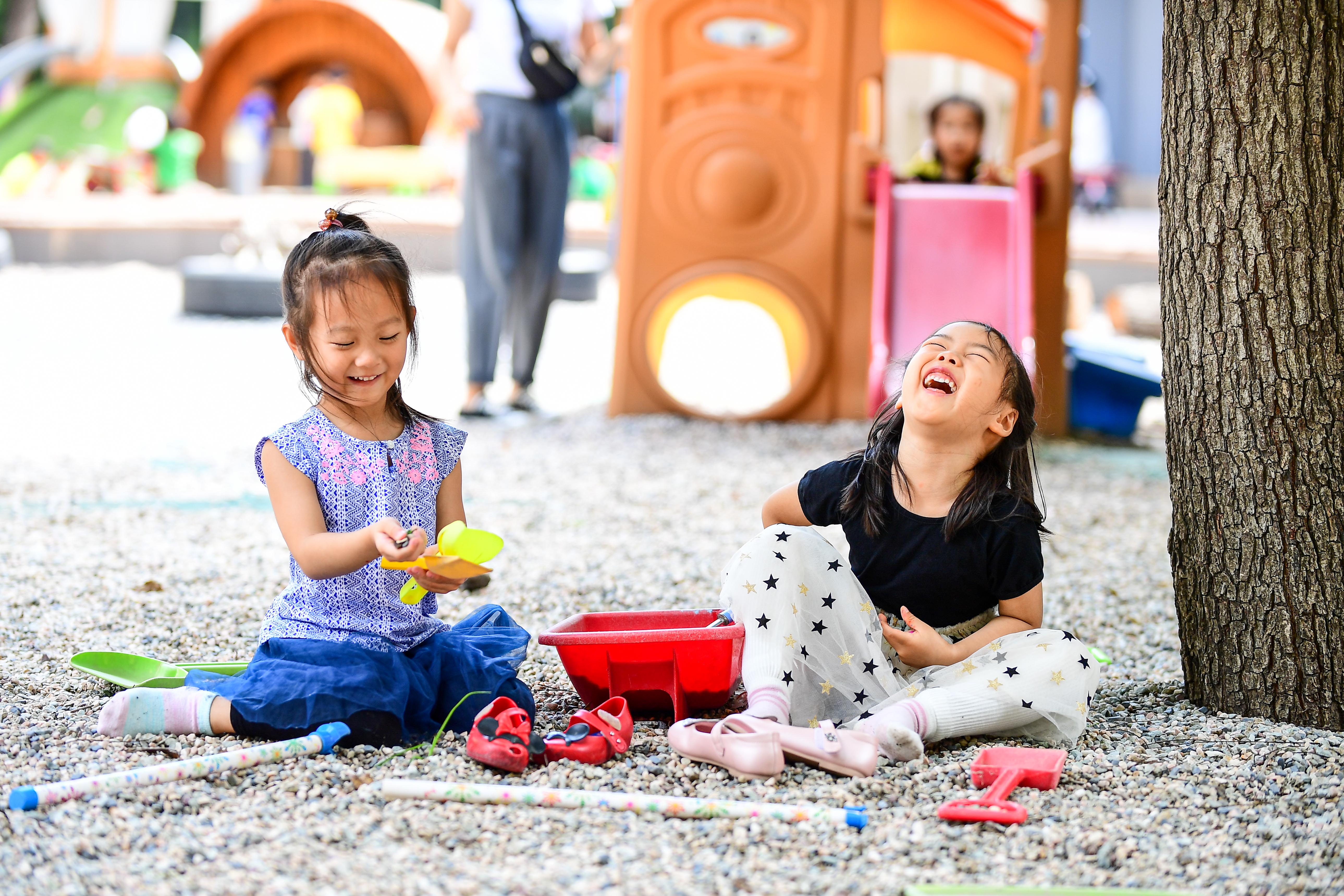
作为一名在幼教领域工作了三十年的园长,我经常被家长问到:“孩子什么时候入园最好?”这个问题确实重要。特别是孩子在两岁左右,很多家庭都会面临是否入园的犹豫。今天,我想借这个机会,分享一些我们在北京乐成学校幼儿园(ECC)的观察和经验,希望能为您的思考带来一些参考。
您知道吗?从胎儿期到三岁,是人一生中大脑发育最迅速的阶段。在这几年里,孩子所处的环境、建立的关系以及日常的互动方式,都会在大脑中留下深刻的“印记”。尤其在社会性发展方面,孩子早期与他人的互动经历,会深刻影响他们日后如何理解世界,如何与他人建立联结。这些大脑连接并不是抽象的概念,而是切切实实地构筑了他们未来面对挑战的基础。
我们之所以为两岁的孩子开设系统性的幼儿课程,是因为这是孩子成长过程中极为关键的阶段。我们的“小小班”项目(Toddler Program)以哈佛大学和英国皇家基金会儿童早期发展中心等权威机构的研究为基础,融合了当代早教领域的前沿理念,致力于为孩子提供安全、有爱的学习环境。
当然,入园并非一蹴而就。尤其对于两岁左右的孩子,温和且有计划的过渡过程格外重要。因此,我们为小小班和小班设计了“入园过渡项目”——家长可以在开学前两周陪伴孩子,逐步减少在园时间,让孩子在熟悉和信任的节奏中,慢慢适应新环境和老师。很多家长在这一过程中,也会感到放松,并更深入地了解孩子在园的状态。孩子也逐渐明白:每天都会有人来接他们回家,这种“可预期”的体验,建立了他们的安全感和信任感,而这正是一切学习的前提。
我们特别重视孩子与人建立关系的能力。在幼儿园,他们会学习如何与家庭之外的成年人建立信任,这种跨家庭的社交经验能激活大脑不同区域的连接,丰富神经网络,有助于未来更高效的学习和思考。他们也会在与同伴的相处中,学会如何协商、合作、解决冲突,并逐渐建立稳定的友谊。他们会开始意识到情绪的存在,学会表达与调节自己的感受,在真实而温暖的互动中培养出共情力和包容心。
我们希望孩子在这样的过程中,慢慢建立起“我是一个学习者”的自我认同。他们会变得更主动提问、探索和尝试,在充满挑战与支持的环境中持续激发对世界的好奇心。我们相信,真正的学习不是被动地接收知识,而是在不断的体验中建构意义,发展思维。
语言发展也是很多家长关注的焦点。我们的教学环境是双语的,老师们会根据孩子的发展阶段,用自然的方式引导他们接触中文和英语。日常对话、唱歌、讲故事、绘本阅读,都是孩子吸收语言的媒介。孩子们在真实交流中积累词汇、理解句式,也逐渐接触早期的象征符号和涂鸦表达,这些都是未来阅读和书写的基础。更重要的是,语言学习从来都不是靠灌输,而是在温暖、真实的情境中自然而然地发生。
在多年工作中,我们也观察到,那些从小小班阶段开始入园的孩子,在升入学前班时,适应起来更加顺利。他们熟悉学校的节奏与规则,认识老师与同伴,形成了对校园的归属感。这种稳定的早期体验,不仅增强了他们的安全感和学习信心,也为未来更复杂的学习任务打下了良好的基础。对他们来说,学校不是一个“必须适应”的新环境,而是一个可以自由探索的熟悉空间。
当然,每个孩子都是独一无二的,是否适合两岁就入园,也要结合孩子自身的性格特点和家庭的准备程度来判断。但在我们的实践中,许多孩子在适宜的环境中,都展现出了超乎预期的适应力和成长潜力。很多家长也会感慨:原来孩子比我们想象中更有勇气、更有能力。
密歇根大学荣誉讲席教授赵勇曾说:“教育最重要的成果之一,是让孩子学会为自己负责。”我们深以为然。因此,我们刻意放慢学校的节奏,让孩子有时间练习日常生活技能:擦脸、穿鞋、整理玩具、自己吃饭……这些微不足道的细节,恰恰是培养独立性、自我管理能力的起点,也是孩子迈向更大世界的第一步。我们知道,在快节奏的家庭生活之外,学校应当成为孩子获得发展空间和节奏感的地方。
教育,从来都不是一场比快的比赛。它更像是一场耐心的陪伴,是一次又一次“看见”的过程——看见孩子的需求、潜能与成长。当我们在孩子生命最初的几年里,种下安全感、好奇心和信任的种子,它们便会在未来无数个日子里默默发芽、成长。
这就是我想和您分享的一些真实观察与心里话。如果您正站在人生这一节点的十字路口,思考孩子是否该入园,不妨多倾听一下孩子的反应,也给自己一些时间,了解不同教育选择可能带来的影响。成长从不是急事,而一个好的开始,往往会带来深远的影响。
聆听我们在园家长的想法:
Henry妈妈
“Henry是从2岁开始上的ECC。让我印象最深的,是他在语言上的进步,尤其是英语表达方面。我们家并没有特别营造英文环境,也没怎么教他说英语。但从小小班开始,他每天在园里接触大量英文,慢慢就敢说了。到了小班,他已经能比较流畅地表达自己。
今年4月我们带他去澳大利亚旅行,他的表现真让我们惊喜。他会主动和陌生人交流,比如在排队时和当地老奶奶分享玩具,去前台要吸管也毫不犹豫。最可爱的是在电梯里,他会主动打招呼、介绍自己,最后还来一句:“I’m from China”。我觉得他的进步不仅仅是词汇量增加,更重要的是自信心的建立,敢于表达自己。
另外,学校特别鼓励孩子探索。Henry很喜欢玩沙子、水和颜料,常常弄得满身都是,但老师们从不限制,还会陪他们一起玩。这种自由和支持,让他在玩中学,孩子真的爱上了幼儿园。有时候生病在家,Henry还会因为不能去上学而闷闷不乐。”
Jasper爸爸
“Jasper从小小班就开始在ECC,到现在已经是大班了,马上就要毕业了。这几年他的成长让我非常欣慰,收获很多。从一开始我们的想法就是,希望他能在一个安全、温暖的环境里逐渐建立自信和独立性。
学校在入园初期安排了适应课程,逐步引导孩子融入,这让他很快就放松下来,适应得很好。他在园里不仅学会了与小朋友相处,也在不断地接触新事物、新环境,变得越来越自信和从容。现在他面对新环境不怕生、愿意尝试,甚至在一些方面超越了我们家长。他的语言表达、独立能力、自主意识都有了显著提升。整个入园的过程,对我们来说是一次非常受用、非常值得的经历。”
Chuanchuan妈妈
“我们最意外的收获,是Chuanchuan的英语能力居然是在学校里自然而然建立起来的,这完全超出了我们的预期。而在中文方面,她的阅读能力也非常出色。很多中文绘本,只要我读一遍,她几乎就能自己复述出来。
学校每天可以借10本书回家,阅读资源特别丰富,孩子的阅读量非常大。但更让我感动的是,有一天放学去接她,看到教室里几乎每个孩子都安静地坐在小餐桌前看书,那一刻我真的觉得,孩子们已经在这里养成了自主阅读的好习惯。
我一直觉得,2到3岁是语言发展的黄金期。我们也曾犹豫过要不要晚一点入园,但现在回头看,从3岁甚至更小开始,进入这样一个沉浸式的语言环境,真的是非常正确的选择。真的太喜欢我们的学校了,这里是一个非常棒的启蒙起点!”

Did you know that from pregnancy to age three, our brains develop faster than at any other time in our lives? The experiences, relationships, and environments we are exposed to during these early years shape who we become. At this stage, social interactions are essential for building the strong neural connections that support future learning and experiences. In a sense, these early social interactions form the structure and blueprint of our brains for life.
At Beijing City International School, we understand how crucial the first years of a child’s life are in shaping their future. That’s why we offer education starting from age two—a critical period for learning and development. Our Toddler Program is grounded in research from Harvard University, the Royal Foundation’s Centre for Early Childhood, and other esteemed institutions focused on early years education.
Our program is designed to foster meaningful social connections between children and adults, supporting healthy brain development. From the moment your child is accepted into our school, we begin building relationships with both your child and your family, because we know how important this is for successful learning. Children in our program learn:
1. That their family will return to pick them up, supported by a phased transition program that promotes emotional well-being. Our unique transition process ensures your child forms strong bonds with our staff, creating a sense of safety— the foundation for all learning.
2. How to build relationships with adults outside their family. These experiences stimulate different parts of the brain, helping to expand and strengthen neural connections vital for future learning.
3. How to connect with other children—how to engage in play, resolve conflicts peacefully, and build lasting friendships.
4. How to recognize, name, and regulate their emotions.
5. Through a curriculum that promotes a strong sense of identity as a learner and fosters positive attitudes and dispositions toward learning.
6. To think critically and creatively, maintaining their natural curiosity through unique and stimulating learning experiences provided by our expert teachers.
7. To become global citizens, developing compassion and an understanding that others may have different perspectives that can enrich their own learning.
8. English language skills through songs and daily conversations with our teachers, including native English speakers. Children are also introduced to early literacy by exploring symbols and mark-making—the foundation of reading and writing.
9. To expand their Chinese vocabulary and comprehension through engaging, authentic experiences that naturally enhance language development.
Yong Zhao, Foundation Distinguished Professor at the University of Michigan, emphasizes that one of the most important outcomes of education is helping children learn to be responsible for themselves. Our teachers take pride in maintaining a gentle pace throughout the day, giving children the time and space to learn essential life skills such as wiping their face, tidying up, putting on their shoes, and feeding themselves. We understand that home life can be fast-paced, so we intentionally slow things down at school to nurture your child’s independence—skills that are crucial for success in school, university, and beyond.
Children who begin in our Toddler Program transition smoothly into our Nursery Program. They already know the school environment and staff, are familiar with daily routines and rituals that provide a sense of safety and comfort, and feel confident navigating different spaces. They also come equipped with the confidence to ask questions, think critically, and explore their learning in innovative ways. Their natural curiosity—a key attitude for lifelong learning—is deepened through diverse experiences and regular interactions with peers that broaden their thinking and expand their learning possibilities.
Our Toddler Program features a stable, experienced team of highly qualified educators who continue to learn and grow professionally. All our teachers participate in high-quality professional development supported by strong partnerships with internationally recognized experts in early childhood education.
Of course, every child grows at their own pace, and whether starting school at two is the right choice depends on your child’s personality and your family’s readiness. I’ve always believed that education isn’t about getting ahead—it’s about being present, paying attention, and walking alongside our children as they discover the world.
This is something I’ve come to understand through both observation and experience. If you’re navigating a similar decision, take your time. Listen to your child. Consider what might unfold for them in a nurturing, thoughtfully designed environment.
There’s no need to rush—growth doesn’t happen on a schedule. But a strong, gentle beginning can make all the difference. And when the time feels right, we hope to welcome you to the BCIS Early Childhood Center!
Voices from ECC parents:
Henry’s Mom
"Henry started at ECC when he was just 2, and one of the biggest changes we saw was in his language—especially his English. We didn’t teach him much at home, and there wasn’t really an English-speaking environment, but he just picked it up naturally from school.
By the time he moved up to the next class, he was already speaking quite confidently. When we traveled to Australia this April, we were honestly blown away—he was chatting with strangers, sharing toys with people in line, even going up to the hotel front desk on his own to ask for a straw. He proudly told someone in the elevator, 'I’m from China.' It was adorable—and so confident!
He’s also super into messy play—sand, paint, water—you name it. And the teachers totally embrace that. They don’t try to keep kids clean; they get right in there with them. It’s so great to see him learning through play. He absolutely loves school—he even gets upset if he has to miss a day."
Jasper’s Dad
"Jasper started in the toddler class and now he’s in his final year at ECC. Watching him grow over the years has been amazing. From the very beginning, we wanted him in a place where he could build confidence and independence, and ECC really gave him that.
The transition into school was super smooth—the school eased him in gradually, which made a big difference. Now he’s not shy at all. He’s open, curious, and totally up for trying new things. Honestly, in some ways, he’s even braver than us!
He’s become more confident, more independent, and better at expressing himself. We couldn’t have asked for a better start to his education."
Chuanchuan's Mom
"What surprised us the most was how naturally Chuanchuan started speaking English—it really just happened on its own at school. His Chinese is also strong—he can retell stories after hearing them once, which blows my mind!
We borrow up to 10 books a day from the ECC library, so reading has become a big part of our routine. One day at pickup, I walked in and saw every child quietly reading at their little tables. That moment really touched me—it showed me just how deeply the love of reading is encouraged here.
I truly believe that 2 to 3 years old is the golden age for language. We thought about waiting to start school, but now I’m so glad we didn’t. Starting early at ECC was the best decision we made. We really love this community—it’s been the perfect beginning!"